How to Choose the Right Gear for Deer Hunting Trips
Planning a deer hunt is more than just determining where and when to hunt. Certain gear can affect comfort, mobility, organization and ability to cope with the outdoors. The selection of deer hunting equipment should, therefore, start with the type of terrain, weather and trip you will be having. A thoughtful approach will also make sure that there is not too much clutter in your pack and essentials are easily accessible.
Start With the Hunting Conditions
Most equipment should be based on the environment. It takes different gear to do a short hunt in mild weather than to do a longer hunt in cold, windy, rough conditions. Think about where the weather conditions will be, how much rain there will be, the wind and the terrain, as well as the amount of walking, before choosing individual items.
Woodlands may need equipment that remains small and will not obstruct movement, for instance. Moisture control and insulation might be more important during colder weather. Considering these factors first makes it easier to come up with a viable system rather than picking the show or the latest popular product.
Choose Clothing for Comfort
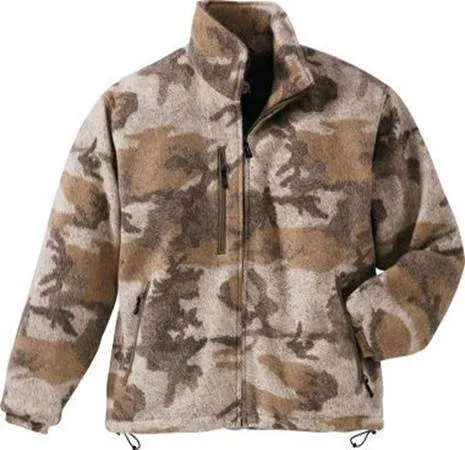
Clothing is a key consideration for hunters as they can be exposed to the elements for extended periods of time with only limited mobility. Men’s hunting clothing should offer a useful combination of comfort, protection and mobility without becoming too cumbersome.
Layering is useful in case the temperature fluctuates during the day. A moisture-control base layer and an insulating layer can help to keep the skin comfortable and warm if necessary. The outer layer should be appropriate for the forecast weather conditions, and must provide sufficient room to walk, sit and move around on uneven terrain.
The right shoes are also key. Consider alternatives that can offer suitable support and protection for the land. The ground can be wet, muddy, hilly or far, and these conditions can require different types of shoes.
Match Equipment to the Trip
You don’t need to have all the gear for every hunt. Consider the amount of time you will be gone and if you will have a vehicle or shelter near you when you’re packing.
If you are going outdoors for a shorter duration, you might only need basic clothing, navigation, food, water and personal supplies. More layers, extra equipment and storage options are added to support adapting to different weather conditions, etc., during a longer trip.
One way to do this is to categorize your gear into three groups:
· Items you will use throughout the trip
· Items needed for changing weather or unexpected situations
· Items that can remain behind unless conditions require them
The approach is used in order to maintain an appropriate load and provide valuable backups.
Prioritize Practical Features
When making equipment comparisons, concentrate on the problem-solving features. If the equipment is expected to face branches, harsh terrain, water, and/or frequent use and handling, durability is important. If you’re planning on walking long distances, it won’t be quite the same without weight. A few things might also work better with compact storage if multiple items have to be compacted into one package.
It is not possible to ignore ease of use. Any difficult-to-program, hard-to-reach or cumbersome piece of equipment can be frustrating during a long day outside. Frequently, simpler, more reliable options are more beneficial than gear that has functions you probably never use.
Organize Before Leaving
The preparation begins long before you get to the hunting area. Inspect clothing, equipment, charge electronic equipment as required and ensure that items frequently used are easily reachable. Checking the weather forecast can also be useful in layering up and stripping down.
A last inspection of the packing the night before the trip is helpful. This provides time to replace missing items, troubleshoot damaged equipment and make any last-minute changes without any rush.
Conclusion
Larger, more expensive does not necessarily equal the best hunting setup. This should match the conditions you would expect when moving around comfortably, organizing the area suitably and preparing it reliably. Spending some time assessing the ground, conditions, travel time, and equipment characteristics can make it easier to handle the entire experience. If hunting enthusiasts are interested in finding some options, they can check out USAHunterShop.com, which offers a variety of hunting and outdoor products to consider when creating a functional setup.