
Recycling and waste management have become essential practices in today’s world as the amount of waste generated by households, businesses, and industries continues to increase. Rapid urbanization, population growth, and higher consumption levels have placed significant pressure on natural resources and the environment. Without proper waste management, pollution increases, valuable materials are lost, and public health can be affected.
Recycling and responsible waste management help reduce environmental damage, conserve natural resources, lower greenhouse gas emissions, and support a cleaner, healthier society. Governments, businesses, and individuals all play an important role in creating sustainable waste management systems.
Understanding the importance of recycling and waste management encourages people to adopt responsible habits that benefit both current and future generations. This article explains why these practices matter and how they contribute to environmental protection and sustainable development.
Understanding Recycling and Waste Management
Waste management refers to the collection, transportation, processing, treatment, recycling, and safe disposal of waste materials. Its primary goal is to minimize the harmful effects of waste on human health and the environment.
Recycling is one of the most important components of waste management. It involves collecting used materials such as paper, plastic, glass, metals, and certain electronic items, processing them, and converting them into new products. Instead of sending valuable materials to landfills, recycling gives them a second life and reduces the demand for new raw materials.
An effective waste management system follows the principles of reducing waste generation, reusing products whenever possible, recycling suitable materials, recovering useful resources, and safely disposing of waste that cannot be reused or recycled.
Why Recycling Is Important
Recycling helps conserve valuable natural resources by reducing the need to extract new raw materials. Manufacturing products from recycled materials often requires less energy than producing them from newly extracted resources.
For example, recycling paper helps reduce the demand for timber, while recycling metals decreases the need for mining. Similarly, recycling plastics reduces the demand for petroleum-based raw materials.
Conserving natural resources supports biodiversity, protects ecosystems, and reduces environmental degradation caused by resource extraction.
Reducing Landfill Waste
Landfills remain one of the biggest challenges in waste management. As populations grow and consumption increases, landfill sites fill up more quickly, requiring additional land for waste disposal.
Excessive landfill use can contribute to soil contamination, unpleasant odors, methane emissions, and groundwater pollution if not properly managed.
Recycling significantly reduces the amount of waste sent to landfills by diverting reusable materials into manufacturing processes.
Reducing landfill waste also extends the lifespan of existing waste disposal facilities and lowers environmental risks.
Conserving Energy
Manufacturing products from recycled materials generally consumes less energy than producing them from raw materials.
For example, recycling aluminum, steel, paper, and glass often requires substantially less energy compared to extracting and processing new resources.
Lower energy consumption contributes to reduced fuel use and decreases greenhouse gas emissions associated with industrial production.
Energy conservation also supports national sustainability goals by improving resource efficiency.
Protecting the Environment
Improper waste disposal contributes to air, soil, and water pollution. Plastic waste entering rivers and oceans threatens marine life, while open waste burning releases harmful pollutants into the atmosphere.
Responsible waste management helps prevent pollution by ensuring that waste is collected, processed, recycled, or disposed of safely.
Recycling also reduces environmental damage associated with mining, deforestation, and industrial manufacturing.
Cleaner environments support healthier ecosystems and improve the quality of life for communities.
Reducing Greenhouse Gas Emissions
Climate change has increased the importance of sustainable waste management.
Organic waste decomposing in landfills produces methane, a greenhouse gas that contributes significantly to global warming.
Recycling reduces emissions by lowering the demand for energy-intensive manufacturing and decreasing landfill waste.
Many countries include recycling and improved waste management as important components of their climate action strategies.
Supporting the Circular Economy
Traditional economic systems often follow a “take, make, and dispose” model, where products are discarded after use.
A circular economy encourages materials to remain in use for as long as possible through reuse, repair, recycling, and responsible resource management.
Recycling supports this approach by returning valuable materials to production cycles instead of treating them as waste.
This reduces pressure on natural resources while promoting more sustainable production and consumption patterns.
Economic Benefits of Recycling
Recycling contributes to economic development by creating jobs in collection, transportation, sorting, processing, manufacturing, and environmental management.
The recycling industry supports businesses that transform used materials into valuable products, creating employment opportunities across multiple sectors.
Reducing waste disposal costs and improving resource efficiency can also provide financial benefits for governments, businesses, and households.
A strong recycling system contributes to both environmental protection and economic growth.
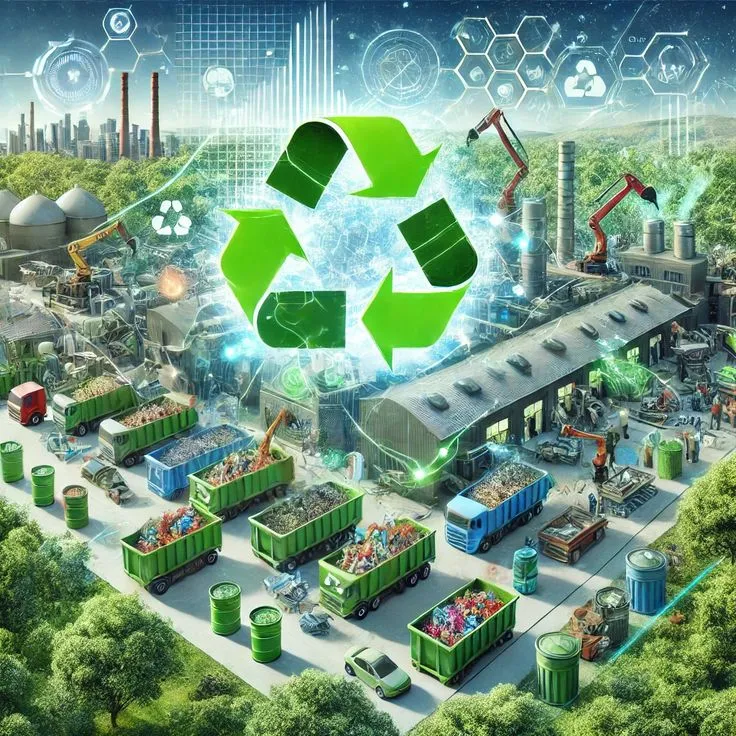
Importance of Waste Segregation
Waste segregation is the process of separating different types of waste before disposal or recycling.
Proper segregation allows recyclable materials to be processed more efficiently while reducing contamination.
Common categories include recyclable waste, biodegradable waste, hazardous waste, and electronic waste.
Separating waste at the source makes recycling more effective and improves the overall efficiency of waste management systems.
Simple household practices can make a significant difference in recycling success.
Managing Plastic Waste Responsibly
Plastic pollution has become one of the world’s most pressing environmental challenges.
Many plastic products require hundreds of years to decompose naturally, causing long-term environmental damage.
Reducing single-use plastics, reusing products where possible, and recycling appropriate plastic materials help minimize pollution.
Consumers, manufacturers, and policymakers all have important roles in addressing plastic waste responsibly.
Role of Individuals in Waste Management
Every individual can contribute to effective waste management through daily habits.
Choosing reusable products, reducing unnecessary consumption, separating recyclable materials, and disposing of waste responsibly all support environmental sustainability.
Educating family members and participating in community recycling programs further strengthens local waste management efforts.
Small actions taken consistently by millions of people create significant environmental benefits.
Role of Businesses and Governments
Businesses can improve sustainability by reducing packaging waste, increasing the use of recycled materials, and adopting environmentally responsible manufacturing practices.
Governments contribute by developing waste management policies, investing in recycling infrastructure, promoting public awareness, and encouraging responsible waste disposal.
Collaboration among governments, industries, educational institutions, and communities creates stronger waste management systems.
Shared responsibility is essential for achieving long-term environmental goals.
Challenges in Recycling and Waste Management
Despite growing awareness, many challenges remain.
Improper waste segregation, limited recycling infrastructure, contamination of recyclable materials, illegal dumping, and increasing electronic waste continue to affect waste management systems.
Public education, improved collection systems, technological innovation, and supportive government policies are important for overcoming these challenges.
Continuous improvement is necessary to meet future environmental demands.
Future of Recycling and Sustainable Waste Management
The future of waste management is increasingly focused on innovation, automation, and sustainability.
Advanced recycling technologies, smart waste collection systems, improved material recovery, and environmentally friendly product design are helping improve recycling efficiency.
Many countries are also promoting circular economy initiatives that encourage businesses to design products with reuse and recycling in mind.
As environmental awareness continues to grow, recycling will remain an essential part of sustainable development.
Frequently Asked Questions (FAQs)
Why is recycling important?
Recycling conserves natural resources, reduces landfill waste, saves energy, lowers pollution, and supports environmental sustainability.
What is waste management?
Waste management involves collecting, processing, recycling, treating, and safely disposing of waste to protect public health and the environment.
How can individuals help improve recycling?
Individuals can reduce waste, separate recyclable materials, reuse products, avoid unnecessary plastic use, and follow local waste disposal guidelines.
Conclusion
Recycling and waste management are fundamental to protecting the environment, conserving natural resources, and supporting sustainable economic growth. As waste generation continues to increase worldwide, responsible waste management has become more important than ever.
By reducing waste, reusing materials, recycling valuable resources, and disposing of waste safely, individuals, businesses, and governments can work together to create cleaner communities and healthier ecosystems.
Building sustainable waste management systems requires ongoing education, innovation, and public participation. Every responsible action, no matter how small, contributes to a more sustainable future and helps preserve the planet for future generations.